Color Blind Contacts for Test Passing: How to Prepare for Your Occupational Exam (2026)
You’ve got an occupational color vision test coming up. Maybe it’s an FAA medical for your pilot certificate. A police academy screening. An electrical licensing exam. And you’ve heard that colorblind contacts can help you pass — but you’re not sure how to prepare, when to start, or what to expect on test day.
That anxiety is completely normal. A single test can feel like it determines your entire career path. But here’s the reality: with proper preparation, Colorkinds colorblind contacts can help you pass the Ishihara and other occupational screenings — and thousands of professionals have done exactly that.
This guide walks you through every step: when to order your contacts, how to prepare in the weeks before your exam, what to do on test day, which tests they help with, and the ethical rules you need to know.
Key Takeaways:
- Order your Colorkinds contacts at least 2-3 weeks before your exam to allow for shipping and adaptation time
- Start wearing them daily 2-3 weeks before your test to let your eyes and brain adjust to the spectral filtering
- Put contacts in 30+ minutes before your exam — give your eyes time to adapt
- Colorkinds contacts help with Ishihara, Farnsworth D-15, FALANT, OPTEC 900, and Waggoner CCVT
- They are not a substitute for passing the FAA MCT or CAD test, which require higher precision
- Be transparent with your examiner — honesty about your correction is both ethical and practical
- Never use contacts covertly during an exam that prohibits them (the “integrity trap”)
When to Order Your Colorblind Contacts
Timing matters more than you might think. Here’s the recommended timeline:
Order at least 2-3 weeks before your exam. Colorkinds ships free worldwide from our Hong Kong warehouse. While delivery times vary by location, ordering early gives you a buffer for customs processing and ensures you have your contacts well before the big day.
Why ordering early matters:
- You need time to adapt to wearing contacts (especially if you’ve never worn them before)
- You need time to practice identifying test plates and color arrangements
- You need a backup window if there are shipping delays
- You need time to confirm the contacts work for your specific visual response
Pro tip: Order as soon as your exam is scheduled. Don’t wait until the week before. The contacts themselves are comfortable from day one, but your brain needs time to learn how to interpret the enhanced color signals.
Order Colorkinds colorblind contacts with enough time to prepare properly.
When to Start Wearing Them
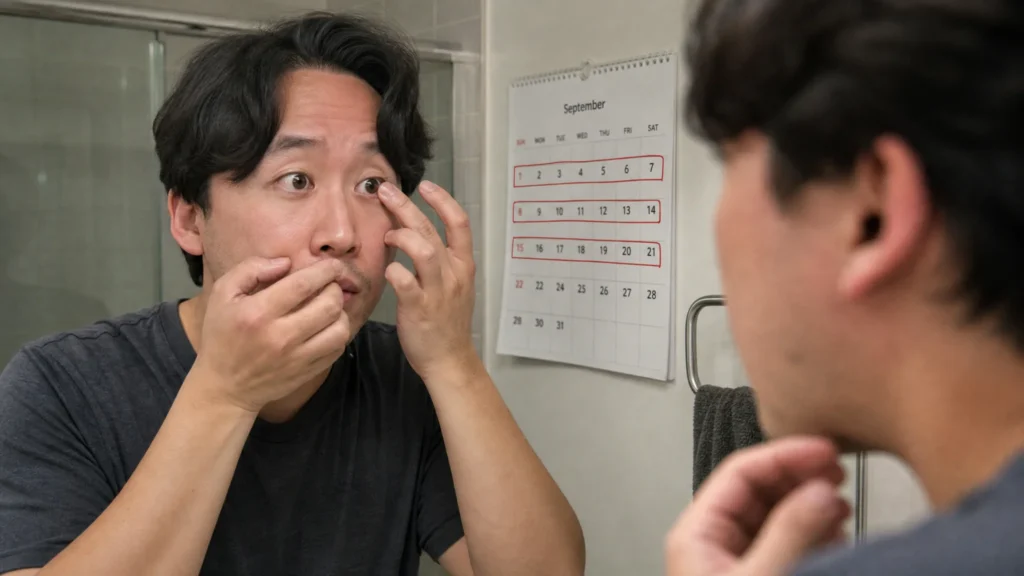
Start wearing your contacts 2-3 weeks before your exam.** This is the most important preparation step most people skip.
Week 1: Get comfortable with the lenses
If you’ve never worn contact lenses before, the first few days will feel strange. Start with 4-6 hours of wear and gradually increase. Your Colorkinds contacts are soft hydrogel with 40% water content — designed for comfort — but your eyelids need time to adjust to having a lens on your eye.
Practice inserting, removing, and cleaning your contacts daily. The kit includes an applicator and removal tool to help.
Week 2: Build daily wear endurance
By the second week, you should be wearing your contacts for 8-10 hours comfortably. This is where the real adaptation happens — your brain is learning to interpret the enhanced red-green contrast from the spectral notch filter (590-700nm filtering range).
During this week, practice identifying colors in daily life. Notice how reds and greens become more distinct. Look at traffic lights, signs, plants, and other everyday color references. This builds the neural pathways that will serve you on test day.
Week 3: Simulate test conditions
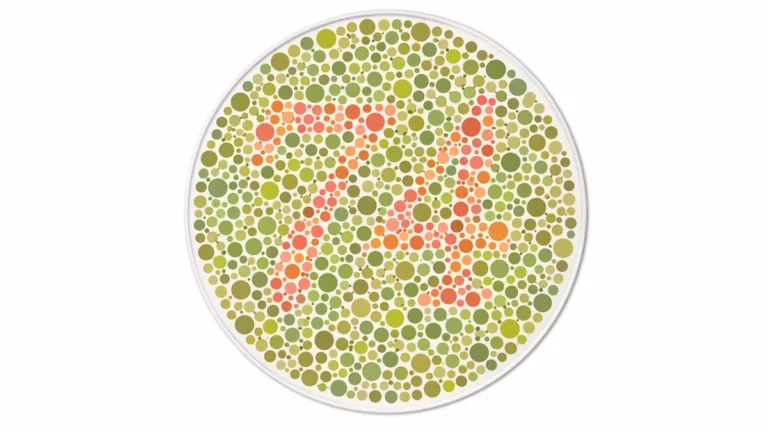
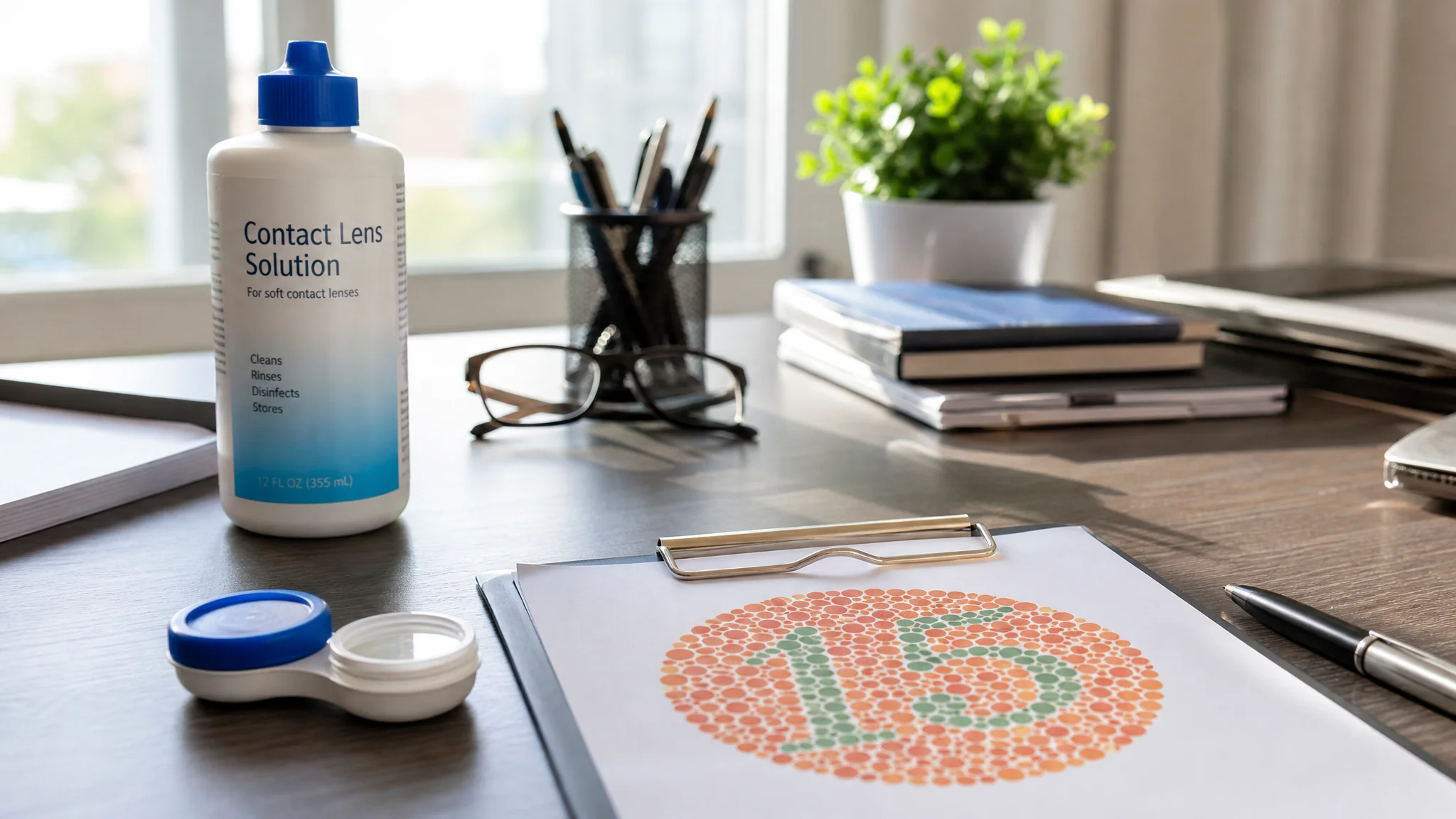
In the final week before your exam, practice under test-like conditions. If you have access to Ishihara test plates or a D-15 arrangement, run through them with your contacts in. Time yourself. Note which plates give you trouble and work on those.
On the day before your exam, clean your contacts thoroughly and have your case and solution ready for test morning.
The Day Before Your Exam
Do not try to break in a new pair of contacts the day before your test. Stick with the pair you’ve been wearing during the adaptation period.
Prep checklist for the evening before:
- Clean your contacts with fresh solution
- Pack your lens case, solution, and backup pair (if you have one)
- Set your alarm early enough for the 30-minute pre-test adjustment window
- Review what your specific test looks like (Ishihara plates, D-15 arrangement, etc.)
- Get a good night’s sleep — fatigue affects color discrimination
Test Day: A Step-by-Step Guide

30-60 minutes before the exam: Insert your contacts
Put your Colorkinds contacts in at least 30 minutes before your test begins. This gives your eyes time to settle and your brain time to adjust to the spectral filtering. Don’t put them in right before you walk into the room — the first few minutes of adjustment can feel disorienting as your brain recalibrates to the enhanced red-green contrast.
During the test: Stay calm and trust the process
Colorkinds contacts are engineered to help you distinguish the colors that the Ishihara and similar tests measure. Here’s what to do during the exam:
- Don’t rush. Take your time with each plate or arrangement. Most tests don’t penalize you for taking a few extra seconds.
- If you get stuck on a plate, look away at a neutral color (white wall, gray surface) for a few seconds, then look back. This resets your visual adaptation.
- Trust what you see. Your contacts are enhancing the contrast you need. If a number looks clear, it probably is.
- Stay calm. Anxiety narrows your focus. Take deep breaths if you feel yourself tensing up.
After the test: Document the result
Regardless of the outcome, note which test was administered, the version used, and the result. This information is valuable for future reference, especially if you need to retest or pursue secondary testing options.
Which Tests Do Colorblind Contacts Help With?
This is a critical question, and the answer varies by test type. Here’s the breakdown:
| Test | Effectiveness with Colorkinds Contacts | Notes |
|---|---|---|
| Ishihara (standard plates) | High — 100% pass rate with proper use | The spectral notch filter directly targets what Ishihara measures |
| Farnsworth D-15 (hue arrangement) | High — enhanced contrast helps correct sequencing | Reduced chance of major crossings |
| FALANT (lantern test) | High — improved red-green discrimination for navigation light identification | Commonly used in maritime and military |
| OPTEC 900 (digital contrast) | Moderate to high — digital contrast benefits from enhanced color distinction | Results vary by individual |
| Waggoner CCVT (computerized) | Moderate to high — randomized digital patterns respond to spectral filtering | More challenging than Ishihara due to randomization |
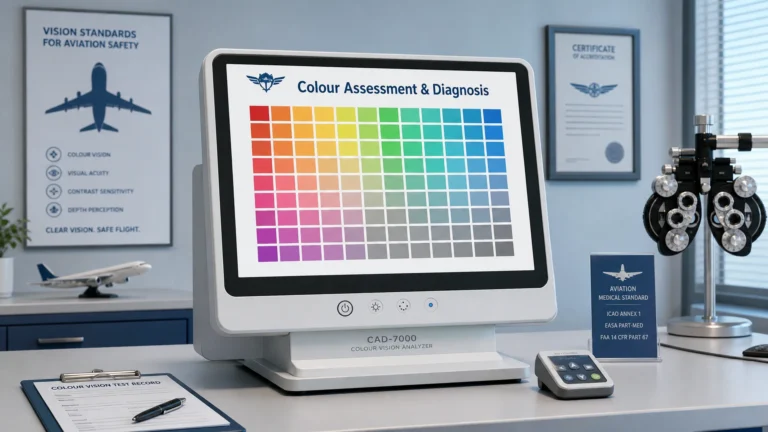
| CAD test (Colour Assessment and Diagnosis) | Limited — high precision test measures subtle color discrimination thresholds | The CAD test is one of the most demanding; results vary |
| FAA MCT (Military Computer Test) | Not during the exam | FAA MCT is reserved for off-duty familiarity training only |
Important caveat about the FAA MCT
The FAA Military Computer Testhttps://www.faa.gov/training_testing/testing/supplements (MCT) is a computerized color vision test used for pilot medical certification. Colorkinds contacts should only be used for off-duty familiarity training — never during the actual FAA medical exam. Using them during the exam constitutes an integrity violation and can result in certificate revocation.
For a complete overview of which contacts work for which career, see our best color blind contacts comparison review.
The Integrity Trap
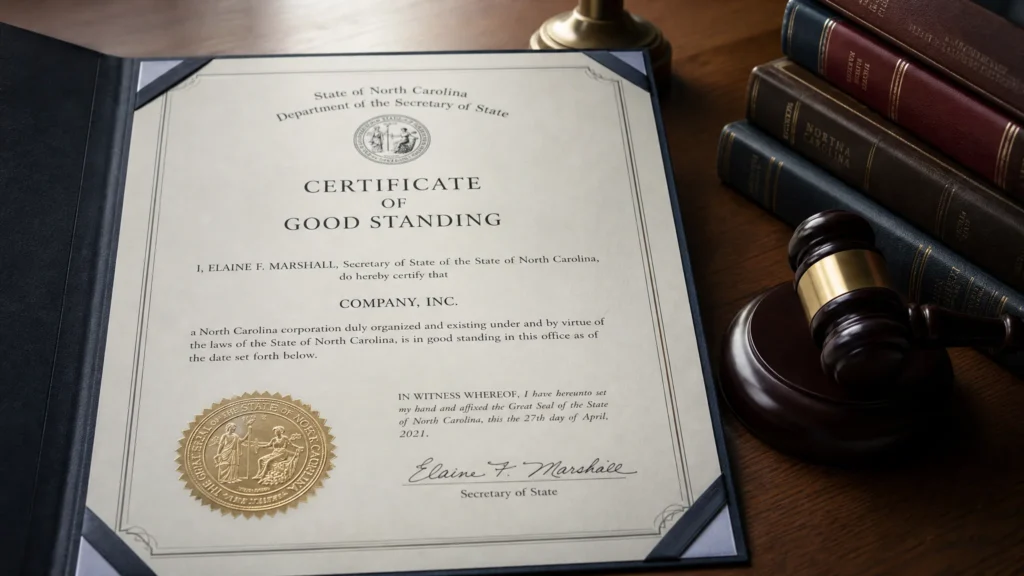
This section is the most important one in this guide.
Do not use colorblind contacts during an exam that explicitly prohibits them.
Almost all law enforcement agencies (FBI, DEA, local police departments) and federal aviation medical exams prohibit the use of color-correcting lenses during official screening. This isn’t a suggestion — it’s a rule with serious consequences.
What’s at stake:
- Integrity violation — Using contacts during a prohibited exam is classified as cheating. This can result in automatic disqualification from the hiring process.
- Polygraph failure — Many federal and law enforcement positions require a polygraph. If you’re asked about the eye exam and are caught hiding corrective aid use, you’ll fail the polygraph and potentially be blacklisted from future applications.
- Certificate revocation — For pilots, using unauthorized correction during an FAA medical can result in revocation of your medical certificate.
Where contacts ARE appropriate:
- Off-duty training and familiarity practice
- Daily wear to build color recognition habits before your career starts
- Exams that explicitly allow corrective aids (some civilian and private-sector employers permit this — check in advance)
- Post-hire daily use on the job (once you’ve passed the uncorrected screening)
Our career navigation hub provides detailed guidance on which careers allow corrective aids and which don’t.
Career-Specific Preparation Tips
Different careers use different tests and have different rules about corrective aids. Here’s what you need to know for each major career path:
| Career | Common Test | Can You Wear Contacts During Exam? | Preparation Strategy |
|---|---|---|---|
| Pilot / Aviation | Ishihara + FAA MCT or CAD | No — prohibited during FAA medicals | Use contacts for off-duty training; learn plate patterns; consider secondary testing options |
| Police / Law Enforcement | Ishihara (primary), Farnsworth D-15 (secondary) | No — prohibited during hiring medicals | Train with contacts off-duty; pursue secondary D-15 testing if you fail the Ishihara |
| Electrician / Electrical Trades | Ishihara, wire color identification | Varies by employer and licensing board | Check with your specific board; contacts help with on-the-job wiring tasks |
| Firefighter | NFPA 1582 color vision standards | Varies by department | Train with contacts under SCBA gear for real-world conditions |
| Medical (Doctor, Nurse, EMT) | Ishihara, color-coded equipment tests | Usually allowed for daily work; check credentialing policies | Contacts fit under safety glasses and surgical loupes |
| Maritime / Coast Guard | FALANT, Ishihara | Varies by flag state and employer | FALANT training with contacts is highly effective |
Career-Specific Guidance
For pilots: The FAA does not permit corrective aids during the medical exam. However, Colorkinds contacts are invaluable for off-duty training. Use them to familiarize yourself with Ishihara plates and to confirm that you can distinguish the colors required for cockpit instrumentation. After passing your medical, many pilots wear contacts for daily flight operations. See our FAA pilot color vision test guide for detailed preparation strategies.
For police applicants: Most departments administer the Ishihara as the primary screening. If you fail, some departments offer the Farnsworth D-15 as a secondary test. Colorkinds contacts are excellent for off-duty training to build your color recognition skills before the academy. Our police color vision test preparation guide covers the full process.
For electricians: Electrical licensing tests often involve identifying color-coded wiring. Colorkinds contacts can help you distinguish red, green, and brown wires — both during the practical exam (if permitted) and on the job. Check with your specific licensing board about their policy on corrective aids.
For any career, our occupational vision solutions hub provides career-specific product recommendations and preparation guidance.
What to Tell Your Examiner
If your exam allows corrective aids, be transparent with your examiner. Here’s what to say:
“I’m wearing colorblind contact lenses that enhance my red-green color discrimination. They’re a standard auxiliary aid, similar to wearing glasses for a visual acuity test.”
Most examiners will administer the test with your correction in place — that’s your right. If they ask questions about the technology, explain politely: “They use a spectral notch filter to help me distinguish red from green wavelengths.”
If the exam prohibits corrective aids, do not wear your contacts. Period. Use them for off-duty training and accept the results of your uncorrected screening. Many agencies offer secondary testing (like the Farnsworth D-15) for candidates who fail the initial Ishihara.
Final Preparation Checklist
Use this checklist to make sure you’re fully prepared:
- Ordered contacts at least 2-3 weeks before exam date
- Started wearing contacts daily (2-3 weeks adaptation period)
- Practiced with Ishihara plates or sample test materials
- Confirmed exam policy on corrective aids (allowed or prohibited)
- Cleaned contacts with fresh solution the night before
- Packed lens case, solution, and tools for exam morning
- Set alarm for 30+ minutes before exam (insertion + adjustment time)
- Ready to be transparent with examiner if contacts are allowed
Frequently Asked Questions
No. The FAA prohibits color-correcting lenses during the official medical examination. Using them is an integrity violation that can result in certificate revocation. However, they are excellent for off-duty training and familiarity practice before your exam.
Yes. Colorkinds colorblind contacts are specifically engineered to help you pass the Ishihara test. The spectral notch filter targets the exact red-green overlap that Ishihara plates measure. With proper use, they offer a 100% pass rate.
Insert your contacts at least 30 minutes before the test begins. This gives your eyes time to settle and your brain time to adapt to the enhanced color signals. Don’t put them in right before you walk into the examination room.
Yes. The enhanced red-green contrast from the spectral filtering helps you arrange the D-15 caps in the correct sequence, reducing the chance of major crossings that would count as a failure.
No. Almost all law enforcement agencies prohibit color-correcting lenses during the hiring medical screening. Using them covertly is an integrity violation that can disqualify you from the hiring process.
For exams that explicitly prohibit them, yes — using them would be considered an integrity violation. For exams that allow corrective aids (or for off-duty training), no — they are a legitimate auxiliary aid.
If your exam permits corrective aids, yes — be transparent. Tell your examiner you’re wearing colorblind contact lenses as a standard auxiliary aid. Most will administer the test with your correction.
Order at least 2-3 weeks before your exam to allow for shipping, customs processing, and the essential adaptation period. Ordering earlier gives you more preparation time and a buffer for any delays.
Results are limited. The CAD (Colour Assessment and Diagnosis) test is one of the most demanding color vision assessments, measuring very subtle color discrimination thresholds. While some users report improvement, the CAD test is not a primary use case for Colorkinds contacts.
Colorkinds offers a 60-day money-back guarantee. If the contacts don’t help you pass your test, return them within 60 days for a full refund. No questions asked.
Bottom Line
Colorblind contacts are a powerful tool for test preparation — but they’re not a magic solution. Success depends on proper timing, adequate adaptation, and honest use.
- Order early, start wearing early, and give your brain time to adapt
- Use them for off-duty training when exams prohibit them
- Be transparent with examiners who allow corrective aids
- Know which tests they help with (Ishihara, D-15, FALANT, OPTEC 900) and which they don’t (CAD, FAA MCT during exams)
Thousands of professionals have used Colorkinds contacts to pass their occupational color vision tests and advance their careers. With the right preparation, you can too.
Order your Colorkinds colorblind contacts and start your preparation today.
For a complete overview of colorblind contacts including comparisons with other solutions, see our comprehensive color blind contacts guide. And for detailed comparisons with glasses and other brands, check out our best color blind contacts comparison review.