A Police Prepare Vision Test Guide

How to Prepare Police & Law Enforcement Color Vision Test Guide

Law Enforcement Testing Guide Pursuing the Badge: Color Vision in Policing From identifying a fleeing suspect’s clothing to processing complex crime scenes, color plays a vital role in law enforcement. However, department policies vary wildly. Learn how agencies distinguish between mild and severe color vision deficiency (CVD) and how it impacts your path to the…

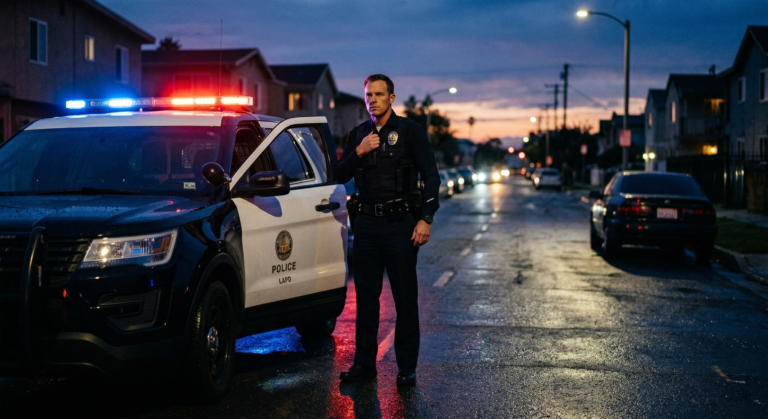
A police officer looking at a suspect vehicle under streetlights at night, illustrating the need for color vision.

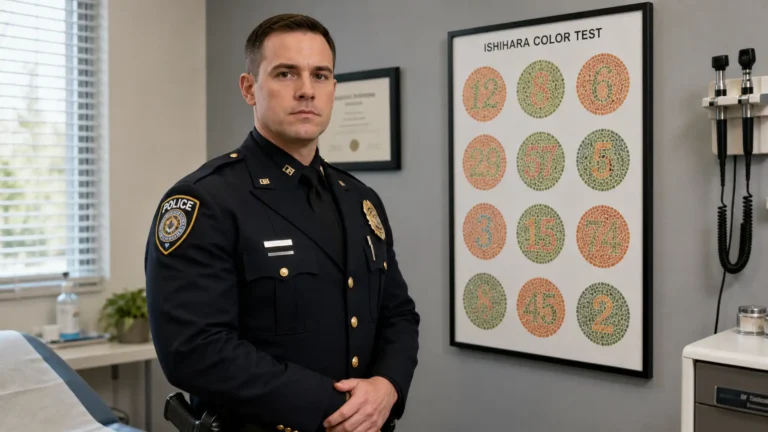
Why Do Police Need Color Vision? The Truth Behind Law Enforcement Sight Standards

Every year, thousands of highly qualified, physically fit, and intellectually capable candidates walk into a medical clinic to complete their police academy physicals. They sit in the examination chair, open a small book filled with colored dots, and suddenly their career comes to a grinding halt. When told they have a color vision deficiency, the…

A forensic scientist analyzing digital data on a dual-monitor setup, highlighting non-color dependent forensics

Can a Colorblind Person Be a Forensic Scientist? Navigating Careers, Exams, and Lab Work

The field of forensic science stands at a critical intersection of sensory perception, technological objectivity, and legal mandates. For decades, the image of a forensic practitioner was that of a “generalist criminalist”—a lone investigator capable of processing a chaotic crime scene, analyzing biological fluids, and matching trace evidence. In that legacy framework, “normal color vision”…

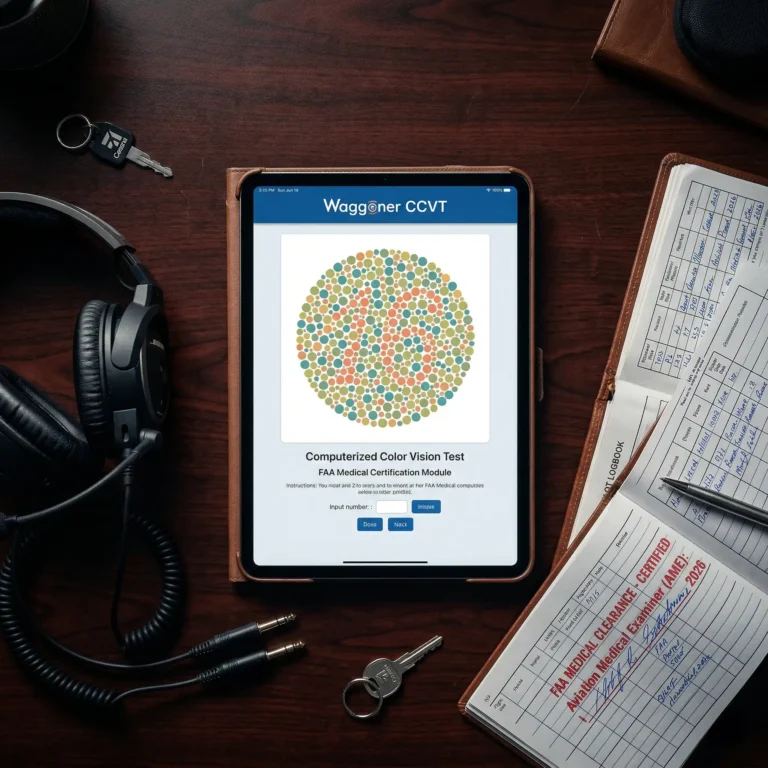
An iPad displaying the Waggoner CCVT next to an aviation headset and pilot logbook.

The Ultimate Guide to the Waggoner Color Vision Test: Clinical Precision & Occupational Standards

For decades, the assessment of chromatic discrimination—how well your eyes distinguish between colors—has been a source of intense anxiety for job applicants and a logistical headache for medical examiners. For almost 100 years, the medical world relied heavily on the Ishihara pseudoisochromatic plates (the famous book of colored dots). However, legacy paper tests are severely…

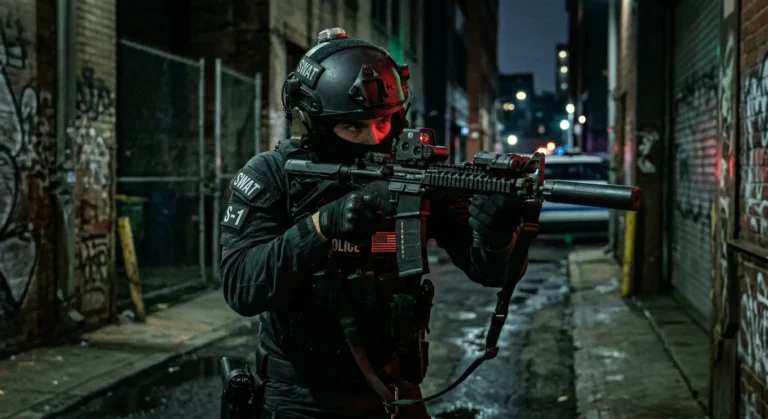
A SWAT operator looking through a tactical weapon sight in a low-light environment, symbolizing the critical nature of color vision requirements in law enforcement.

The Complete Guide to SWAT Color Vision Requirements: Tests, Waivers, and Tactical Reality

For an ambitious law enforcement officer, making the SWAT (Special Weapons and Tactics) team is the pinnacle of a tactical career. It requires elite physical fitness, impeccable marksmanship, and split-second decision-making. But what happens when the only thing standing between you and the “stack” is a book of colored dots? Color vision deficiency (CVD), commonly…

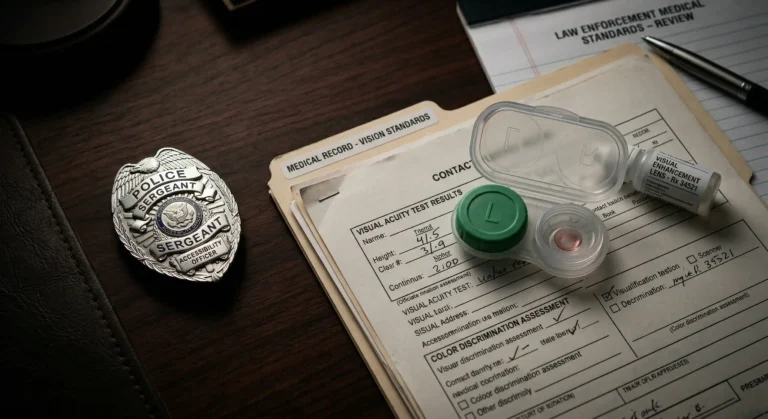
A law enforcement badge resting near a pair of tinted contact lenses and a medical file

Can Police Officers Wear Colorblind Contacts? Navigating Medical Exams & Waivers

Securing a position in law enforcement is a grueling process of physical endurance tests, psychological evaluations, and extensive background checks. But for thousands of highly qualified recruits each year, the dream comes crashing down in a quiet medical clinic over a simple book of colored dots. The realization that you suffer from a color vision…

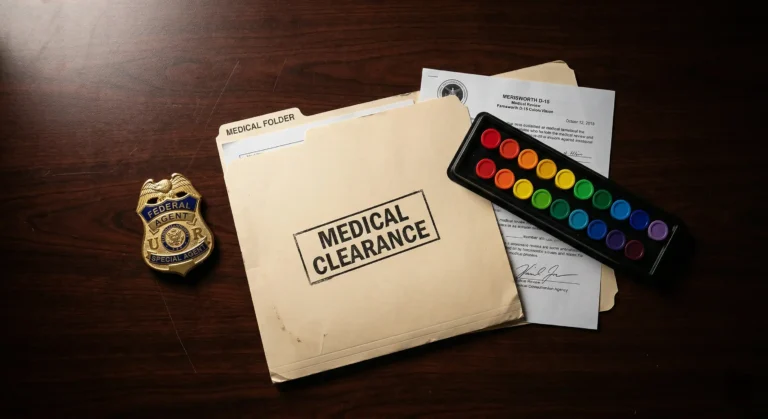
 A federal law enforcement badge resting on a desk next to an open medical file and a Farnsworth D-15 color vision test.

Federal Law Enforcement Color Blind Policies: The Ultimate 1811 Medical Guide

Securing a position as a federal Special Agent (the prestigious 1811 job series) is one of the most rigorous hiring processes in the United States government. Applicants spend months—sometimes years—navigating grueling physical fitness tests, complex polygraphs, and exhaustive background investigations. Yet, for a significant percentage of applicants, the entire dream crashes to a halt inside…

A silhouette of an FBI Special Agent standing in front of a federal building, representing the color vision medical requirements for federal law enforcement.

Can FBI Agents Be Color Blind? (2026 Medical Standards & Tests)

If you are one of the thousands of highly qualified candidates applying to become an 1811 Special Agent, you already know the process is grueling. From the intense Physical Fitness Test (PFT) to the unforgiving polygraph, the hurdles are immense. But for approximately 1 in 12 men (and 1 in 200 women), the most terrifying…

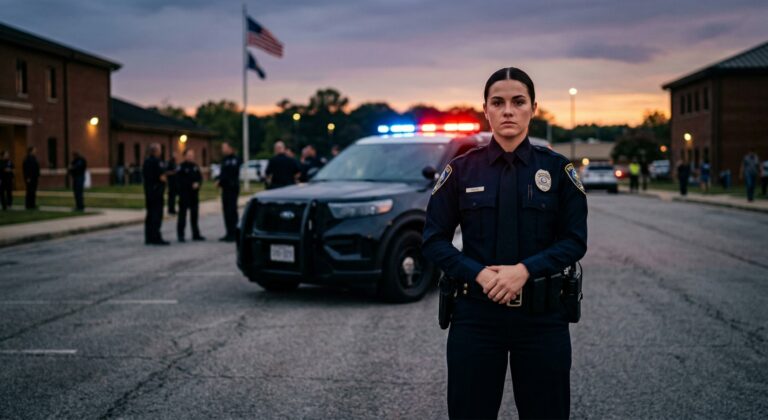
A determined police recruit looking confidently toward a police cruiser with glowing red and blue lights, representing the law enforcement color vision test.

The Police Color Blind Test: How to Pass & What If You Fail (2026)

If you have spent your life dreaming of wearing the badge, only to discover you have a color vision deficiency, you are likely experiencing a massive wave of anxiety. You are not alone. Every year, thousands of highly qualified law enforcement applicants type “police color blind test” into Google, terrified that a simple booklet of…

Non-Sworn (Civilian) Police Positions for colorblind

Can a Police Officer Be Color Blind? Explore Career Opportunities in Law Enforcement

Color blindness is a condition that affects many individuals, raising important questions about suitability for various professions, including law enforcement. Many police departments allow individuals with color blindness to become officers, as long as the deficiency does not significantly impair their ability to perform essential duties. This creates opportunities for aspiring officers who may be…